


Summer Driving Puts Real Stress on Tires: Here’s Why
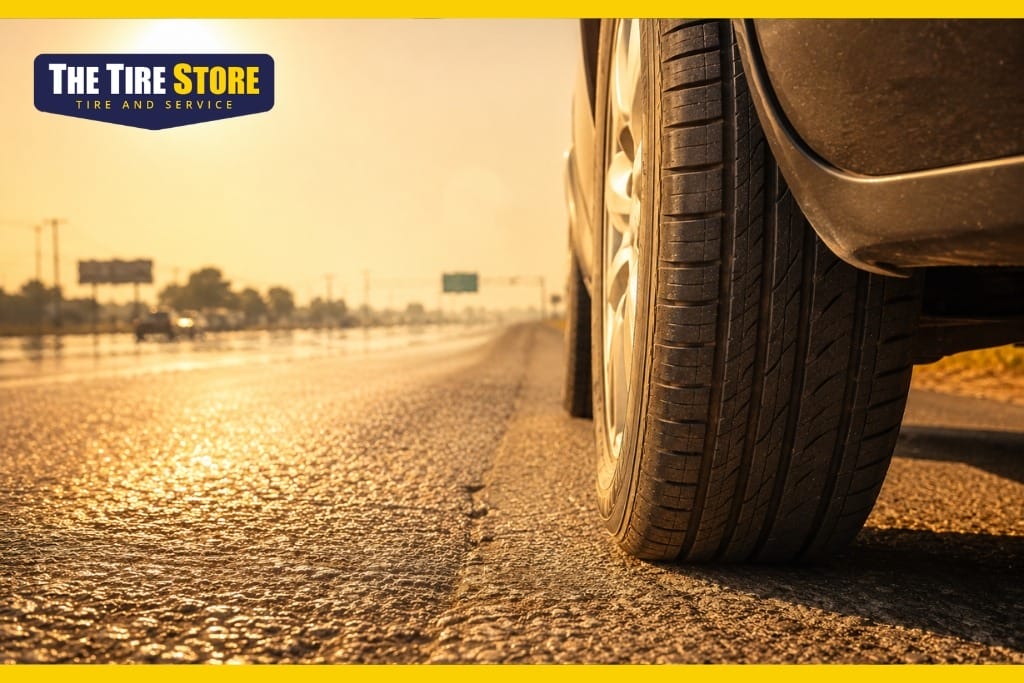
Summer looks like the friendliest season for driving. Clear roads, long daylight, no ice to worry about. But summer is one of the hardest seasons on tires.
Pavement temperatures can climb well above 140°F on hot afternoons. Highway speeds keep tires flexing for hours at a stretch. Vehicles carry heavier loads too, from family road trips to trailers to full cargo racks. All of it adds up to real stress on a component most drivers never think about until something goes wrong.
Tire-related problems contribute to thousands of crashes every year. NHTSA reported 511 deaths in tire-related crashes in 2024, and underinflation, excessive loads, damage, and poor maintenance can all increase the risk of a flat tire, blowout, or tread separation.
Understanding what actually happens inside a tire during summer makes it easier to spot trouble early, whether you’re driving long highway miles, climbing mountain passes, or navigating hot rural roads.
What Summer Actually Does to a Tire
Most drivers know summer is hard on tires. Fewer know exactly why.
Air pressure is the first thing that changes. A tire holds pressurized air, and air expands when it heats up. For every 10°F rise in ambient temperature, the pressure inside a passenger tire increases by roughly 1 to 2 PSI.
Park a car overnight when the air temperature is 65°F with the tires at 32 PSI, then let the temperature reach 95°F by lunchtime, and those same tires may read several pounds higher without anyone touching the valve stem. Add the heat generated by repeated flexing during driving, and an underinflated, overloaded, damaged, or aging tire can develop excessive internal heat.
Some pressure increase during driving is normal, and it does not mean the tire is overinflated. The rule is simple: never release air from a hot tire.
Rubber does not tolerate sustained heat well. Tire compounds are engineered to flex and grip within a specific temperature window, and prolonged high temperatures accelerate the aging of those compounds. The rubber softens, oxidizes, and gradually loses the elasticity that lets the tire absorb road impacts. A tire in that condition may not fail immediately, but it fails more easily under stress.
The second issue is what heat does to weaknesses already inside the tire. A small cut from a curb strike. A nail causing a slow leak. Cracking near the sidewall. Internal belt damage from an old pothole impact. Some of these problems are easy to overlook during a quick driveway inspection, while internal damage may not be visible at all. All of them get worse under sustained heat and speed.
That is why summer is when hidden tire problems tend to surface. Heat does not create the original weakness. It exposes and worsens what was already there.
Different Terrain, Different Kinds of Summer Stress
Not every summer drive looks the same. The way heat and road conditions stress your tires depends on the kind of driving you do.
Sustained highway heat: Long stretches at 70 mph and above on hot pavement create the most cumulative heat inside a tire. Speed and heat compound each other, and a tire that feels fine on short errands can behave very differently hours into a road trip.
Dry heat followed by sudden thunderstorms: After weeks of dry conditions, oil residue, tire dust, and road grime build up on the pavement surface. The first heavy rain turns that layer into a hydroplaning risk that catches drivers off guard, especially at highway speed. Tires with reduced tread depth lose their grip fast under those conditions.
Long-distance rural driving: On roads with limited services and long gaps between towns, small tire problems have time to become serious ones. A nail picked up on a shoulder, or a slow leak from a sidewall pinch, can go unnoticed for weeks. Combined with hot pavement and steady highway speeds, a marginally underinflated tire has few chances to survive that kind of drive.
Altitude and mountain routes: Elevation itself has relatively little effect on the pressure adjustment a driver actually needs to make. The bigger factor is temperature. A hot valley can be considerably warmer than a mountain pass, and cooler air at elevation can drop tire pressure noticeably during the climb. Mountain routes also add sustained cornering, steep grades, and long descents that heat brakes and tires at the same time. That combination asks more of a tire than flatter terrain ever does.
Direct sun on parked vehicles: Even when you’re not driving, tires exposed to direct sunlight for hours accumulate UV damage. Sidewall rubber becomes brittle faster on vehicles that sit outside all day compared to those parked in a garage or under shade. Any pre-existing cracks tend to worsen over time.
A Quick Tire Health Check
Before your next long drive, run through the basics. Check tire pressure when the tires are cold, using the PSI listed on the sticker inside the driver’s door jamb, not the number on the tire sidewall.
Check tread depth using the quarter test. Insert a quarter into the deepest groove with Washington’s head down. If the top of his head is visible, your tread is around 4/32″ or lower. That is still above the 2/32″ wear bar minimum, but wet-weather traction drops off noticeably before you reach that point. Ahead of a long summer trip or during storm season, 4/32″ is worth flagging as a replacement conversation, not something to push further.
Look at the sidewalls for cracks, bulges, or embedded objects. Any of those signals a tire that needs professional attention before a long trip.
For a full pre-trip walkthrough, our summer road trip tire checklist covers each step in more detail.
When a Check Isn’t Enough
Sometimes the basics uncover problems that inflation and rotation cannot fix. A few clear signs that a tire has reached the end of its useful life:
Tread at or near 4/32″: By this point, replacement should be actively planned rather than pushed further, particularly ahead of summer thunderstorms or a long trip. The 2/32″ mark is the wear bar minimum, but performance falls off well before then.
Cracks or dry rot in the sidewall: Visible sidewall cracks, bulges, or exposed cords call for professional inspection. More serious structural damage often means the tire needs immediate replacement.
Vibration at highway speed that a balance and alignment cannot fix: This may indicate internal tire damage, belt separation, wheel damage, or another mechanical problem that requires prompt inspection.
Age of five years or more: Tires that have been in service five years or longer should be professionally inspected at least once a year, even if the tread still looks usable. Follow the replacement guidance from your vehicle and tire manufacturer.
As a precaution, many manufacturers recommend replacing tires after 10 years from the date of manufacture, regardless of tread wear. The DOT code on the sidewall shows the manufacturer’s date. The last four digits give the week and year. For example, 2822 means the 28th week of 2022.
Uneven wear on one side or across the center: This usually points to wheel alignment or pressure issues that have already shortened the life of the tire. Replacing the tire without correcting the underlying problem just repeats the cycle.

Why Timing Beats Waiting
Most drivers wait for a tire to give an obvious warning before replacing it. Summer is a bad time to do that.
A flat tire on a suburban street is inconvenient. A sudden tire failure at 75 mph on a hot rural highway with a limited shoulder is a very different situation. Roadside assistance wait times climb during the summer months. Rim damage from driving even short distances on a fully deflated tire adds cost. And if replacement tires need to be ordered in the right size for your vehicle, that adds days to the timeline.
Replacing worn tires on your schedule, before they fail on the road, is almost always cheaper and safer than replacing them after. That timing question is worth thinking about now, before the next long drive, rather than after it.
Make Your Summer Ride Easy With The Tire Store
Summer heat, mountain elevation, and long stretches of highway all put tires under stress in different ways. The good news is that most of the trouble is preventable with a proper check and, when needed, timely replacement.
To help drivers get their tires summer-ready, The Tire Store is offering an instant $100 off qualifying tire purchases through August 8 as part of our Cool Deals for Hot Summer Drives event. You can take advantage of this deal at any of our tire shops:
- Kansasland Tire and Service, serving Wichita, Andover, Topeka, and Salina
- McWhorter’s Tire and Service, serving Lubbock and West Texas
- ColoradoLand Tire and Service, serving Castle Rock, Arvada, and Littleton
Find your nearest location and stop in before your next summer drive for a professional tire inspection and help choosing the right tires for your vehicle.