


Topeka Potholes and Road Closures: Protecting Your Tires
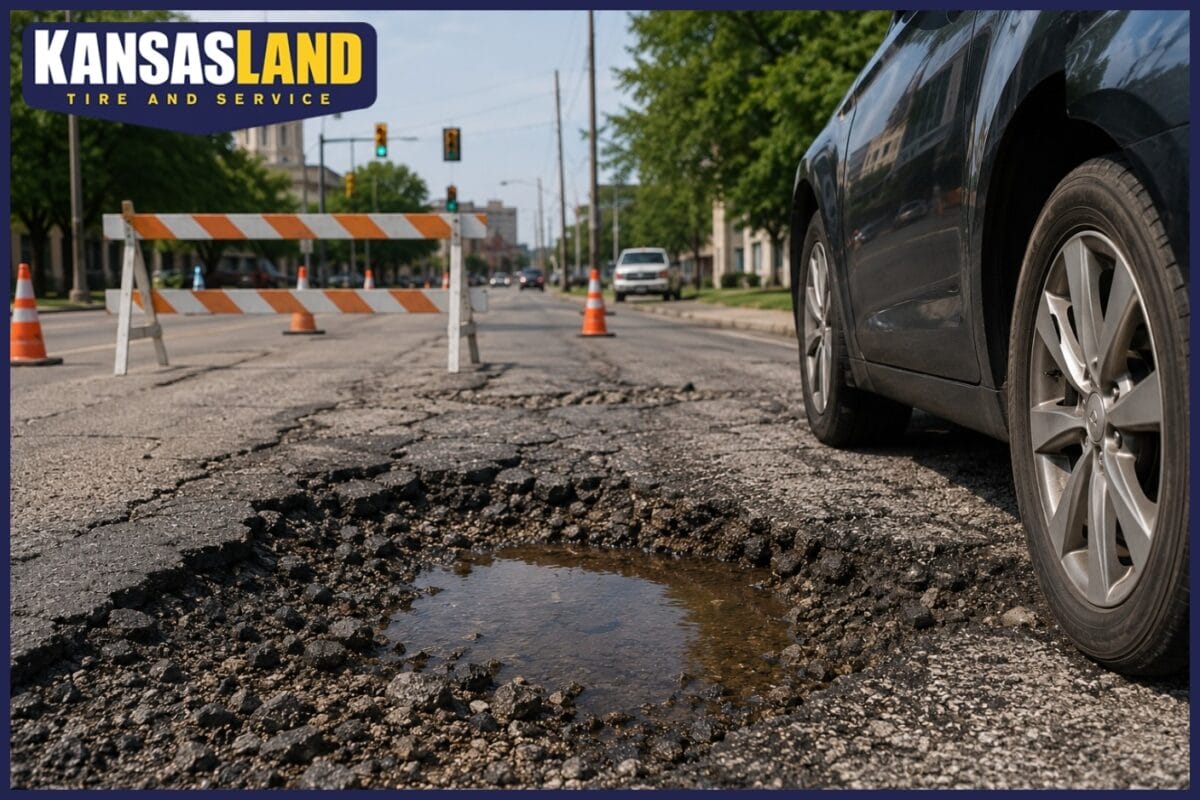
Topeka drivers are facing a challenging stretch. The I-70 Polk-Quincy Viaduct project has closed a major stretch of downtown highway, and at the same time, one of the roughest pothole seasons in recent memory is putting even more stress on tires, wheels, and suspension components.
One deep pothole can quickly turn your daily commute into an expensive tire replacement, wheel alignment, or suspension repair.
The good news? A few smart habits and keeping up with regular maintenance at your trusted Topeka KS auto repair shop can protect your tires through the disruption.
Here’s what every Topeka driver should know.
The I-70 Closure and Your Tires
The I-70 Polk-Quincy Viaduct closure between Topeka Boulevard and SE 8th Street runs from June through approximately December 2026. Through traffic gets detoured to I-470, a partial toll road.
What does this mean for your tires?
Detour routes add miles. More driving means faster tread wear and more frequent pressure checks. Unfamiliar roads also increase your exposure to potholes and rough pavement you don’t normally encounter.
Many drivers will avoid the I-470 tolls by taking side streets and arterials through town. These alternate routes often have rougher surfaces than the interstate, putting extra stress on tires and suspension.
Bottom line: If your daily commute has changed because of the closure, consider checking your tire pressure every two weeks instead of once a month until normal traffic patterns return.
Topeka’s Pothole Problem Is Real
If it feels like Topeka has more potholes than ever, you’re not imagining it. According to the City of Topeka’s public works reports, crews filled nearly 30,000 potholes in the first half of 2026 alone, with some weeks topping 700 in just seven days.
Wanamaker Road, one of Topeka’s busiest arterials, sees especially heavy wear from constant traffic volume. High-traffic streets like this develop potholes faster and take longer to fully repair.
Kansas freeze-thaw cycles are the culprit. Water seeps into pavement cracks, freezes and expands overnight, then thaws during the day. This repeated cycle breaks apart road surfaces and creates the potholes that damage your tires.
Common Topeka Tire Problems
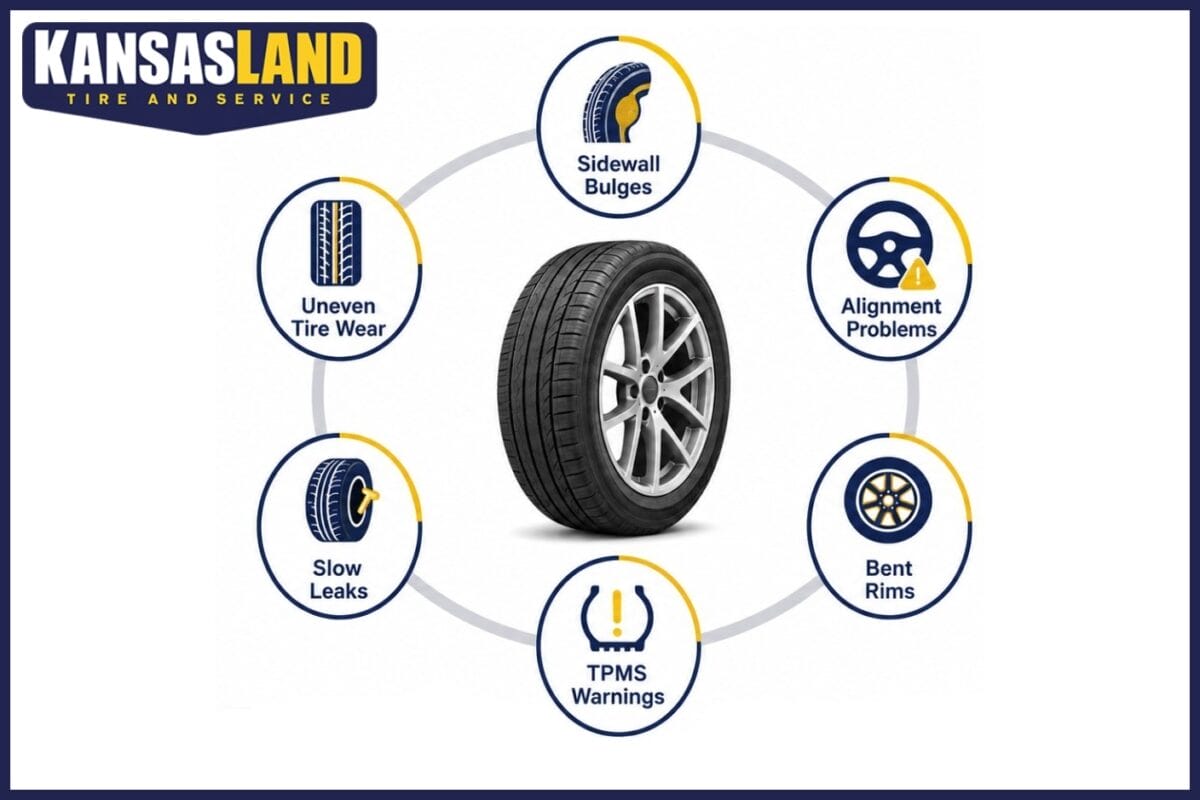
The combination of detour driving and pothole season creates predictable tire issues for Topeka drivers.
- Sidewall bulges and bubbles happen when you hit a pothole hard. The impact damages the tire’s internal structure, creating a weak spot that can fail without warning at highway speed.
- Alignment problems develop from repeated pothole hits. If your car pulls to one side or your steering wheel sits off-center, you likely need a wheel alignment. Left unaddressed, this causes uneven tire wear and shortens tire life.
- Bent rims occur with severe pothole impacts, especially on lower-profile tires. A bent rim can cause air leaks and vibration.
- TPMS warnings can appear after a pothole impact even without a puncture. The jolt can knock a sensor or drop pressure enough to trigger the light, so don’t ignore it.
- Slow leaks from small punctures are common when detour routes take you through construction zones with debris.
Beyond tires, repeated pothole impacts can wear suspension components like tie rods, ball joints, shocks, and struts. This is why a pothole-heavy season often means more than just tire work.
How to Protect Your Tires
You can’t avoid every pothole, but these habits reduce your risk during Topeka’s rough season.
Check tire pressure regularly: Properly inflated tires resist pothole damage better than underinflated ones. Check monthly and after any hard impact.
Slow down on rough roads: Reduced speed lessens the impact force when you do hit a pothole. This matters especially on detour routes you’re not familiar with.
Leave the following distance: More space lets you see and avoid potholes rather than hitting them because the car ahead blocked your view.
Don’t brake through a pothole: Braking tilts your car forward and transfers weight to the front tires, increasing impact damage. Instead, brake before the pothole and release before impact.
Inspect after hard hits: If you slam into a pothole, check your tire for sidewall bulges and your wheel for damage as soon as it’s safe to stop.
Avoid overloading your vehicle: Extra weight increases the impact force when you hit a pothole, putting more stress on tires and suspension.
When to Get Your Vehicle Checked
Some warning signs mean it’s time for a professional inspection.
Schedule service if:
- Your steering wheel shakes
- Your vehicle pulls to one side
- You notice a new vibration after hitting a pothole
- Your tire pressure warning stays on
- You see visible wheel damage
These symptoms point to pothole damage that gets worse if ignored.
Pothole impacts don’t just affect tires. Hard hits can knock your wheel alignment out, stress your brakes, and jar suspension components. A thorough inspection checks tire pressure, tread depth, alignment, and brake condition, catching hidden problems before they become expensive repairs.
With months of detour driving ahead, staying on top of routine maintenance like oil changes and tune-ups also keeps your vehicle reliable through the disruption.
Stay Road-Ready in Topeka with Kansasland Tire and Service
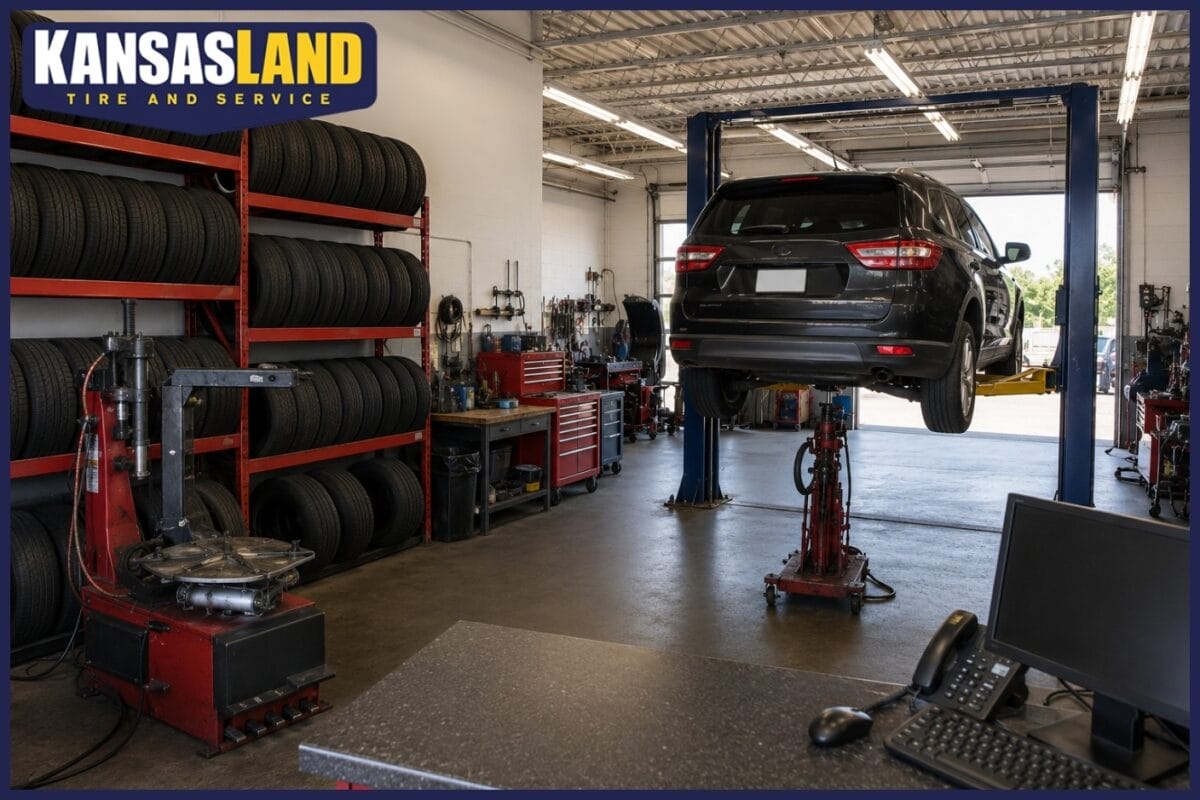
With the I-70 closure and pothole season putting extra stress on your vehicle, having a trusted local tire shop and auto repair center matters more than ever. Kansasland Tire and Service, a division of The Tire Store covering the Kansas region, has two convenient Topeka locations ready to help.
From tire repair and wheel alignment to brake service, oil changes, tune-ups, and auto AC repair, our skilled mechanics handle everything your vehicle needs. We provide honest assessments and transparent pricing, so you know exactly what your car requires.
Topeka Tire Shop (Wanamaker)
2855 SW Wanamaker Rd | (785) 272-4101
Topeka Tire Shop (Westport)
1700 SW Westport Dr | (785) 272-5575
Whether you’re dealing with a pothole-damaged tire or need complete auto repair our tire shops in Topeka Kansas are here to keep you safe on the road.